
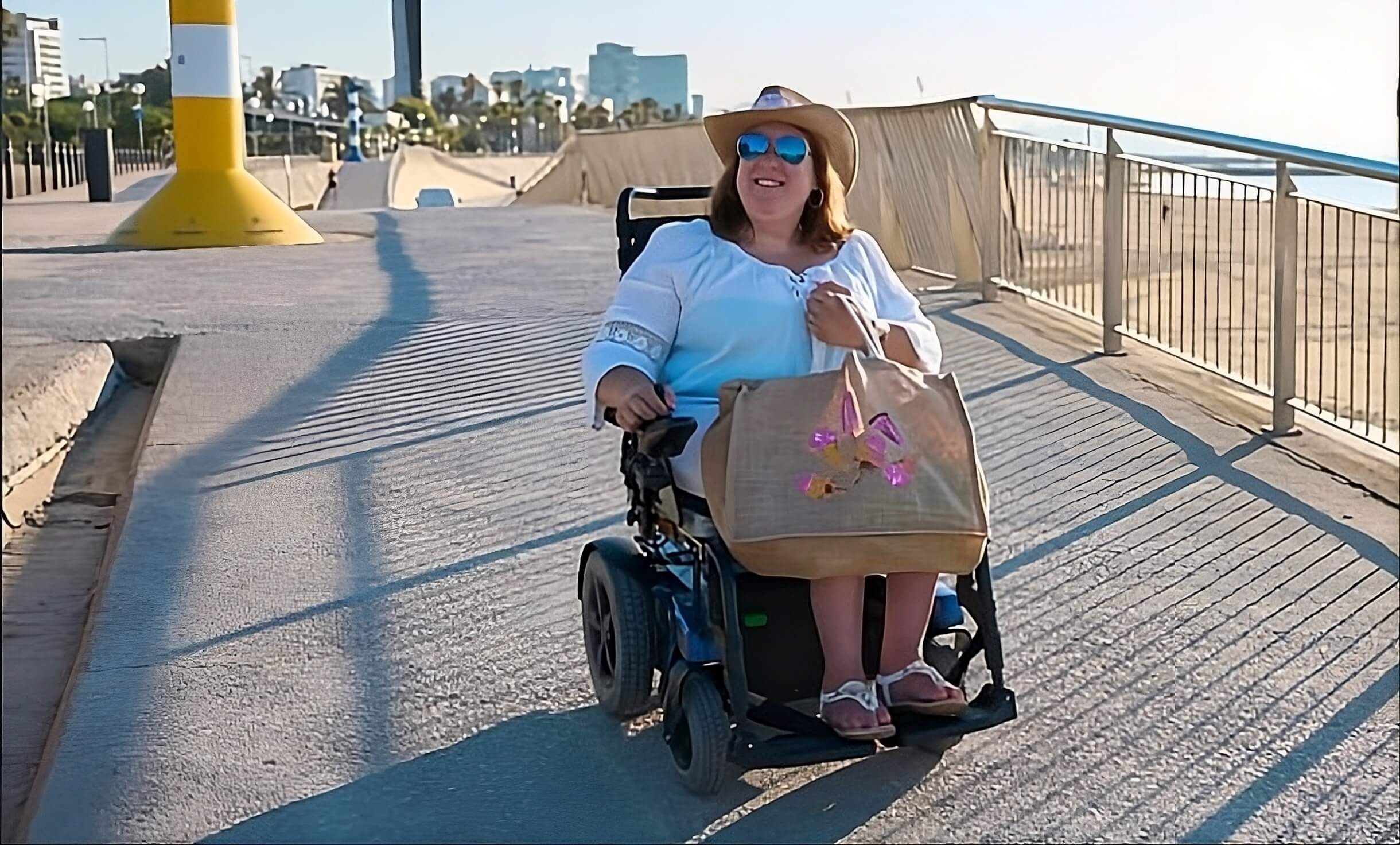
The Essential Pillars of Accessible Tourism: Building an Inclusive Travel Experience #2
“The Essential Pillars of Accessible Tourism: Building an Inclusive Travel Experience #2”
Writing about accessible tourism requires us to look beyond individual features and focus on the entire accessibility chain. True inclusion means ensuring that every step of a traveler’s journey is seamless, preserving the fundamental human right to leisure and exploration.
Whether you are designing a travel blog, conducting industry research, or upgrading a hospitality business, focusing on these core themes will help you understand and advocate for a more inclusive world:
1. Universal Design and Architecture
At its core, physical accessibility relies on building environments that everyone can navigate independently. This involves implementing barrier-free infrastructure, such as standard-compliant ramps, wide elevators, fully adapted restrooms, and multi-sensory signage like Braille and easy-to-read typography.
2. Technology and Pre-Travel Planning
Information is the ultimate tool for accessibility. Modern travelers rely on digital platforms to cross-reference and evaluate a destination’s true accessibility before making reservations. Additionally, virtual reality is emerging as a powerful tool for sensory tourism, allowing individuals to experience spaces ahead of time.
3. The Seamless Transportation Chain
An accessible hotel matters very little if a traveler cannot reach it safely. A comprehensive approach looks at public, air, and land transportation networks. It requires accessible boarding infrastructure, clear information displays, and terminal transit designs that accommodate mobility equipment smoothly.
4. Staff Training and Awareness
Great infrastructure must be backed by excellent human service. Training programs for hotel staff, tour guides, and operators are vital. True hospitality involves understanding diverse physical, cognitive, and sensory disabilities, dismantling social biases, and offering dignified assistance.
5. The Economic Market Opportunity
Beyond the moral imperative, accessible tourism represents a robust, rapidly growing market. As the global population ages and multi-generational family travel increases, destinations that prioritize universal access tap into highly loyal and lucrative customer segments.
6. Inclusive Sports and Nature-Based Tourism
Access should not stop at the city limits. True inclusion extends to active tourism and ecotourism. This includes constructing adaptive hiking trails, providing specialized equipment for adaptive diving, and ensuring beaches are outfitted with amphibious wheelchairs and matting.
By focusing on these areas, the travel industry can shift from treating accessibility as a legal burden to celebrating it as an innovation opportunity. For official guidelines and policy frameworks, refer directly to the UN Tourism Accessible Tourism Guide. For more information accessibletravelamericas.com
Tell us, what are your major challenges when you travel? Let’s talk about it.
— Consuelo