
The Essential Checklist for Travelers with Reduced Mobility #3
“Traveling with Reduced Mobility: A Practical Checklist for Safer Journeys #3”
Traveling is a challenge for everybody. However, travelers using wheelchairs or reduced mobility take more risks when they travel. The primary fears focus on unusable bathrooms, unsafe vehicle transfers, and unannounced stairs. When dealing strictly with land services, travelers with reduced mobility face severe anxiety regarding unexpected physical barriers.
To assist you with your planning here you have a checklist to consider before traveling:
1. Accessible Bedrooms
A good night’s sleep is essential for a great vacation. We know that bedroom accessibility goes beyond just a wide door.
– Clear clearance space on at least one side of the bed for safe wheelchair transfers.
– Ideal bed heights to make transferring from your chair as smooth as possible.
– Accessible light switches and climate controls reachable from the bed.
– Step-free access to balconies and shared spaces.
2. Accessible Bathrooms & Toilets
– Deceptive dimensions: Entering a bathroom labeled “accessible” but finding it too small to close the door once the wheelchair is inside.
– Missing safety fixtures: Discovering a complete lack of sturdy grab bars next to the toilet or inside the shower stall.
– Inaccessible showers: Confronting a high step into a shower cabin instead of a true roll-in shower or wet room.
– Unsafe seating: Fearing that the provided shower bench or wall seat is loose, slippery, or unable to support weight.
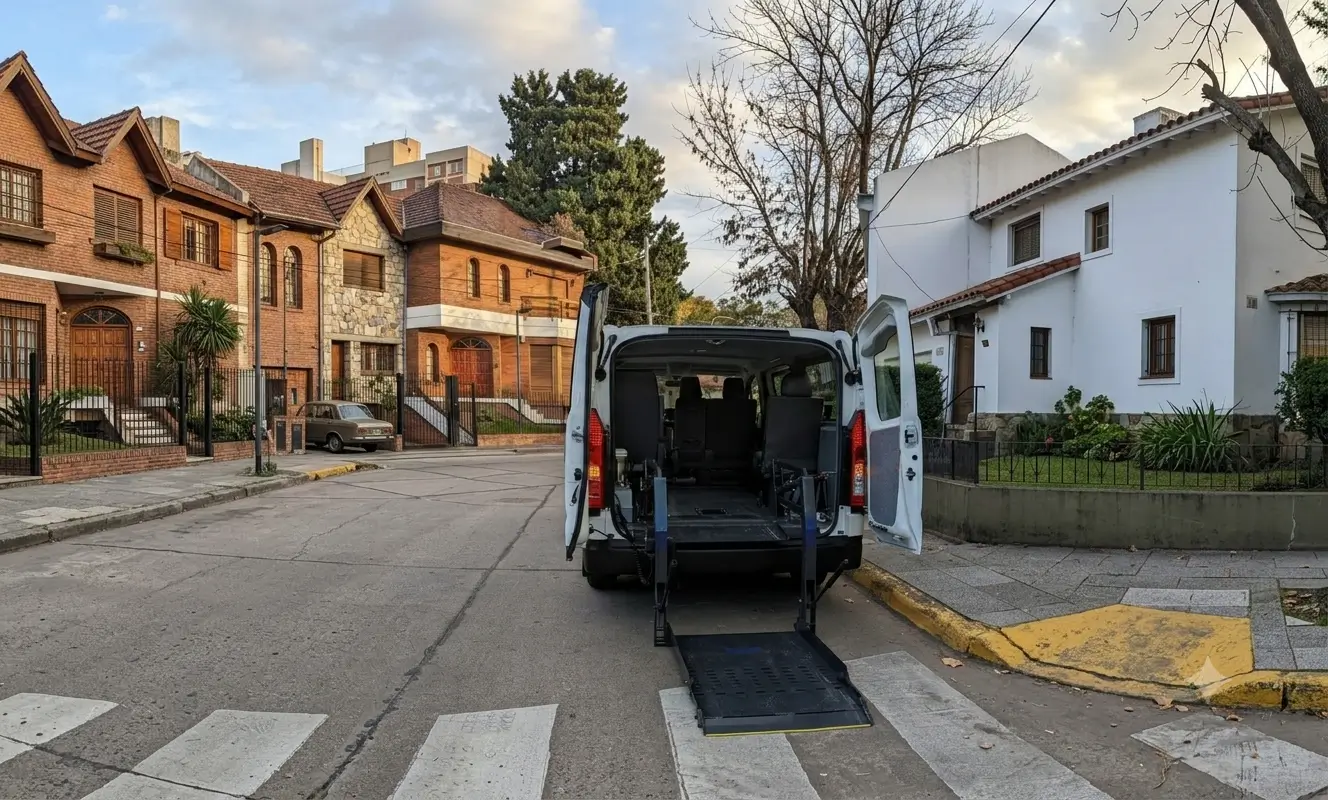
3. Vehicles & Specialized Vans
– Insecure tie-downs: Realizing the driver does not know how to properly lock the wheelchair into the van’s floor tracks.
– Malfunctioning ramps: Boarding a vehicle with a hydraulic lift or ramp that jams, leaving passengers stranded inside or outside.
– Violent driving: Experiencing sudden brakes or sharp turns that cause the wheelchair to tip over due to poor stabilization.
– Space constraints: Booking an accessible van only to find it cannot fit both the bulky power chair and the luggage.
4. Public Bathrooms & Street Access
– Step barriers: Facing a single unexpected step at the entrance of a public restroom, café, or transit building.
– Heavy manual doors: Struggling with heavy, non-automatic doors that are impossible to open while pushing a wheelchair.
– Out-of-service facilities: Finding the only accessible public toilet locked, out of order, or used as a storage closet.
Ask me for advice and assistance. For more information accessibletravelamericas.com
— Consuelo